What My Fingers Knew Before I Did
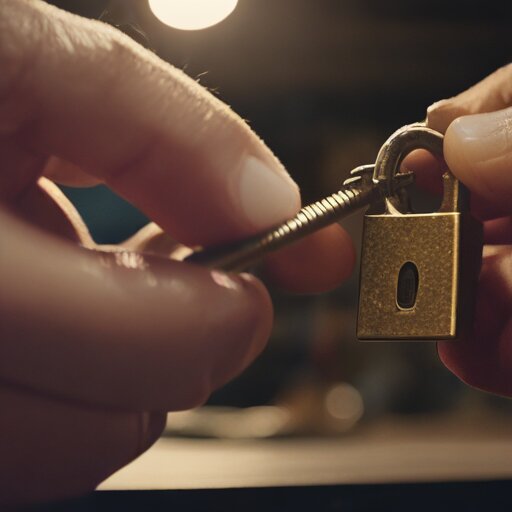
Twenty-seven days since I bent that hook and declared the lock the winner. The replacement pick arrived within the week, but I didn’t use it immediately. Kept finding reasons not to. Other hobbies intervened: watch movements, tree cores, film chemistry. The practice lock sat on the corner of my desk, judging.
But I’d also been sneaking in sessions. Ten minutes before dinner. A few tries while waiting for the 3D printer to finish a layer. Never committing fully, never keeping score. Just probing.
Tonight I sat down with coffee, inserted the tension wrench, and opened the lock in under a minute.
No fanfare. No click so dramatic I finally understood what all the forums meant. Just a gradual rotation of the plug after the fourth pin set, and then the shackle popped. I actually said “huh” out loud, like I’d surprised myself.
What changed? I’m not sure I can articulate it, which is the frustrating part. The MIT Guide talks about feeling for “a slight give,” and I remember complaining a month ago that this description was useless. Now I’d describe it the same way. A slight give. What else would you call it?
The difference is that my fingers know what the phrase means now. Not my brain — my fingers. Somewhere in those fragmented sessions, a calibration happened. Pin three binds first on this lock. I don’t know why. Manufacturing tolerance, presumably. But under light tension, pin three resists in a way the others don’t, and when I lift it to the shear line, there’s a microsecond where the plug shifts and the pin… gives. Then pin one becomes the binding pin. Then five, two, four. The sequence is consistent. I could do it again.
I did do it again. Four times in a row, fastest at forty-three seconds.